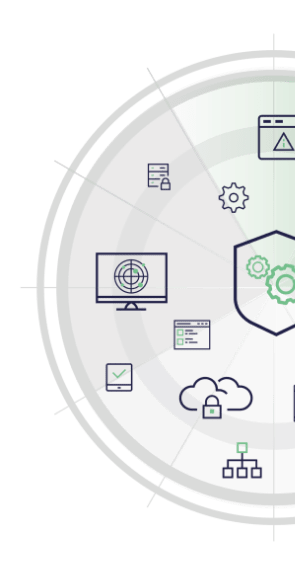
Embracing Enhanced Security: Unveiling the Power of SASE

In an era where digital transformation is the norm, the need for robust cybersecurity measures has never been more critical. As businesses transition towards cloud-based infrastructures and remote work becomes commonplace, the traditional network security challenges are being highlighted. This is where Secure Access Service Edge (SASE) steps in, delivering enhanced security by integrating comprehensive network security functions, protecting data and applications against evolving threats.
The SASE Advantage
SASE represents a paradigm shift in the approach to network security. It converges network security services with Wide Area Networking (WAN) capabilities to support the dynamic, secure access needs of organizations. This convergence is instrumental in simplifying the security architecture, making it more efficient and easier to manage, with the added bonus of quicker implementations.
Comprehensive Security Integration
SASE is designed to consolidate multipoint security solutions into a unified framework. This consolidation streamlines security management and reduces the complexity associated with maintaining multiple security tools. By integrating a range of security functions, including Secure Web Gateways (SWGs), Firewall-as-a-Service (FWaaS), and Zero Trust Network Access (ZTNA), SASE creates a comprehensive security umbrella.
This integration ensures that all traffic, regardless of the user’s location or the device used, is subject to consistent and robust security policies. With a unified security approach, organizations can more effectively safeguard their digital assets, reducing the risk of overlooking vulnerabilities that may arise from the gaps between disparate security solutions.
Zero Trust Security Model
At the heart of SASE is the Zero Trust security model, a concept that challenges the traditional notion of perimeter-based security. Zero Trust operates on the principle that trust should not be assumed for any entity, be it inside or outside the network. Instead, verification is required for any user or device attempting to access resources over the network.
This fundamental shift in mindset acknowledges the reality of today’s threat landscape, where cyber threats can emerge from both external and internal sources. By adopting a Zero Trust approach, SASE ensures that every user, device, and application is subject to continuous authentication and authorization. This minimizes the risk of unauthorized access, even in the event of a security breach.
Evolving Threat Landscape
The cybersecurity landscape is in a constant state of flux, with threats becoming increasingly sophisticated and adaptable. Legacy security solutions that rely on static defences are ill-equipped to protect against these dynamic threats. SASE, on the other hand, leverages a cloud-native architecture that allows for real-time updates and adaptive security measures.
Dynamic Threat Prevention
The integration of threat intelligence feeds and machine learning capabilities within the SASE framework enabling organizations to stay ahead of emerging threats. By continuously analyzing network traffic patterns and identifying anomalous behaviour, SASE can dynamically adjust security measures to counter new and evolving threats.
This dynamic threat prevention approach is crucial in an environment where the attack surface is constantly evolving due to the proliferation of cloud services and the rise of remote work. SASE not only provides a proactive defence against known threats but also offers a level of adaptability that is essential for combating emerging and unknown threats.
Simplicity and Reduced Error
One of the key benefits of SASE is its ability to simplify the security infrastructure. In traditional setups, organizations often deploy multiple point solutions, each serving a specific security function. Managing and coordinating these disparate solutions can be complex, leading to potential errors and oversights.
Streamlined Management
SASE streamlines security management by offering a single, integrated platform for all security functions. This centralized approach not only reduces the administrative burden but also minimizes the risk of misconfigurations and other errors that may arise when managing multiple, disconnected security tools.
Enhanced Visibility
By consolidating security functions, SASE provides organizations with enhanced visibility into their network traffic and security posture. This increased visibility allows for more effective monitoring, analysis, and response to security incidents. IT teams can quickly identify and address potential threats, reducing the time it takes to detect and mitigate security risks.
Conclusion
In the ever-evolving landscape of cybersecurity, the need for a comprehensive and adaptable security approach has never been more critical. SASE stands at the forefront, offering a holistic solution that integrates various security functions into a unified framework. By embracing the principles of Zero Trust and leveraging a cloud-native architecture, SASE ensures robust security against evolving threats.
As organizations continue to navigate the challenges of digital transformation and remote work, the simplicity, adaptability, and enhanced security provided by SASE make it a compelling choice for modern cybersecurity strategies. In a world where the only constant is change, SASE emerges as a stalwart guardian, fortifying the digital realm against the relentless tide of cyber threats.